

What Questions Should Residents in Corinth, NY Ask Before Choosing a Roofing Company?
Before selecting anyone to repair your roof, ask for details on their experience, local familiarity, and previous work. This helps area homeowners avoid surprises during the project. Directly asking about years in business and examples of similar repair jobs in the community can uncover whether the crew understands common roofing challenges in this part of upstate New York, such as freeze-thaw damage, wind-driven rain, and aging asphalt shingles.
Follow up with questions about insurance, warranties, and whether the company employs its own crews or relies on subcontractors. These details matter if unexpected problems come up, or if repairs must be covered in harsh local winter conditions.
How Can Residents Check if a Roofer Is Properly Licensed and Insured for the Area?
Making sure a roofing contractor is authorized and insured protects homeowners from legal or financial risks. In Corinth, residential roofing companies must comply with New York State regulations, which often means carrying workers' compensation coverage and general liability insurance.
- Ask to see copies of up-to-date certificates of insurance.
- Verify details against official New York State resources, such as the state Department of Labor or local building department if unsure.
- Confirm that any licensing or registration is current.
- Ensure permits will be obtained if repairs are extensive or involve structural changes.
This basic verification guards local households from the costs of accidents or property damage during the job.
Why Does Local Experience Matter for Roof Repairs in This Region?
Professionals with a track record repairing roofs on homes in Corinth and nearby areas understand the impact of the local climate and typical housing stock. Asphalt shingle roofs here face heavy snow, ice dams, fluctuating spring temperatures, and the potential for tree and wind damage.
A roofer who recognizes recurring issues—such as leaks caused by ice damming along eaves, or ventilation problems in older farmhouses and cabins—offers advice tailored for the area. Local experience also brings familiarity with regional building standards, insurance claim practices following storms, and emergency response needs during nor’easters.
What Should Residents Watch for When Reviewing a Roofing Company’s References or Portfolio?
Reviewing examples of past projects provides a sense of a company’s workmanship and reliability. Local residents should:
- Ask for addresses or photos of completed jobs similar to their own repair needs.
- Request contact information for recent clients willing to share feedback.
- Look for consistency in quality—repairs should look finished, with no visible lines, mismatched materials, or new leaks.
Be wary of companies unwilling to provide references, or those whose portfolio only includes new roofs or different materials than what is needed.
What Are Common Misconceptions About Residential Roof Repairs in the Community?
Many area residents believe repairs can always be scheduled in the spring or fall, avoiding the heart of winter. However, some urgent issues—like active leaks after a storm—require attention even in harsh conditions. Misunderstandings also persist about repair costs: not all minor leaks call for full roof replacement, but patching worn or broken shingles without addressing underlying causes sometimes leads to repeat issues.
Additionally, it’s common to assume all roofers offer the same warranties. In practice, coverage varies widely based on the materials used, the specific repair, and the process followed by the company.
How Can Residents Spot Red Flags or Potential Scams Involving Roofing Repairs?
Several signs may indicate a less reputable company or scam:
- High-pressure sales tactics, such as insisting on immediate decisions or large deposits up front.
- Lack of permanent, verifiable contact information.
- Refusal to provide a written contract detailing the scope, cost, and timeline for the repair.
- Offers to use leftover or recycled materials without clear documentation.
- Out-of-area or seasonal groups with no local history, sometimes appearing after storms.
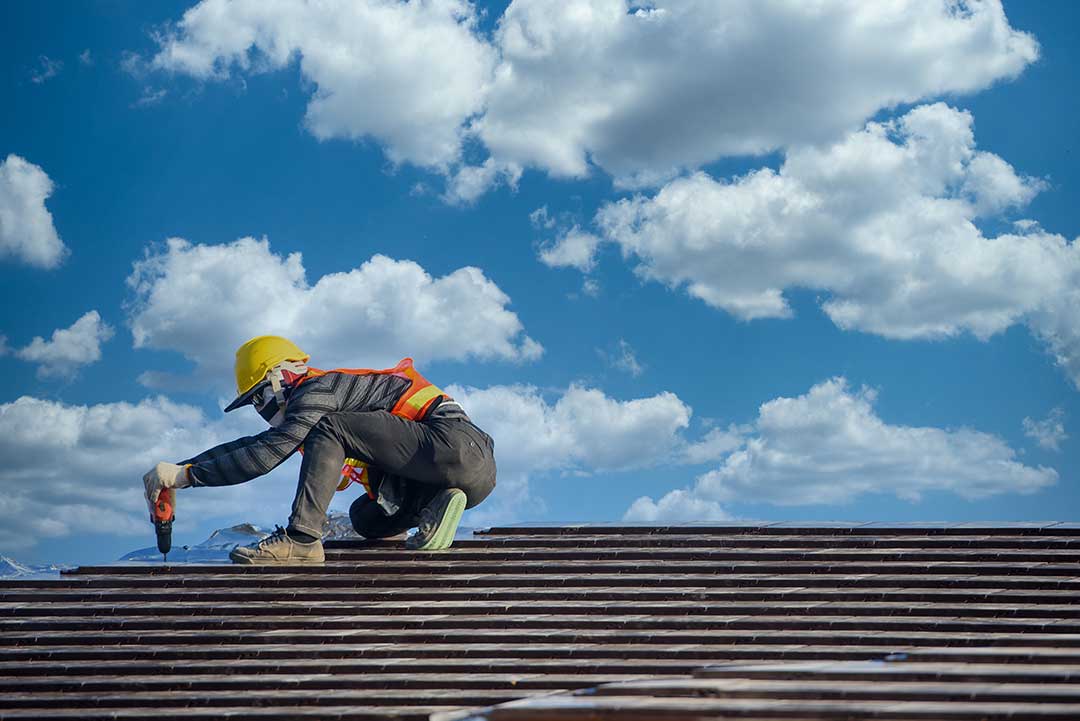
When any of these signs appear, it’s wise to step back and get additional opinions.
What Steps Can Residents Take to Prepare for a Roofing Estimate or Inspection?
Preparation ensures you get clear, useful information. Homeowners should:
- Make a list of all noticeable issues, such as interior leaks, visible shingle loss, or problems after snowmelt.
- If possible, safely photograph roof or attic trouble spots to share during inspection.
- Learn about the age and prior repairs on their roof, as this will often be asked.
- Discuss any concerns about timing, especially if repairs must be done during school holidays, vacation, or in coordination with other home improvements.
Having this information ready leads to a more accurate estimate and reduces the chance of unexpected costs.
What Role Does Written Documentation Play in Protecting Residents During Roof Repairs?
A written contract protects both parties by clarifying expectations. This document should specify:
- The full scope of the repair, including materials, start and finish dates, cost, and clean-up procedures.
- Any warranties on labor or materials.
- Payment schedule, including deposits and final payments.
- Procedures for addressing delays or unforeseen problems, such as discovering rotten decking.
Keeping copies of all documentation is a common best practice in the community, as it helps resolve misunderstandings and is required for some insurance claims.
How Do Local Weather and Seasonal Patterns Affect the Timing and Quality of Roof Repairs?
Due to the region’s variable seasons, the timing of repairs can influence both method and outcome. Mild, dry days in late spring through early fall are generally preferred for major roof work because adhesives and sealants cure properly, and there’s less risk of sudden weather delays. Emergency repairs after heavy wind, hail, or late-winter ice breakup are possible, but may require temporary measures until full repairs can be completed. Understanding these local patterns helps residents plan, especially when coordinating with other outdoor home projects.
