
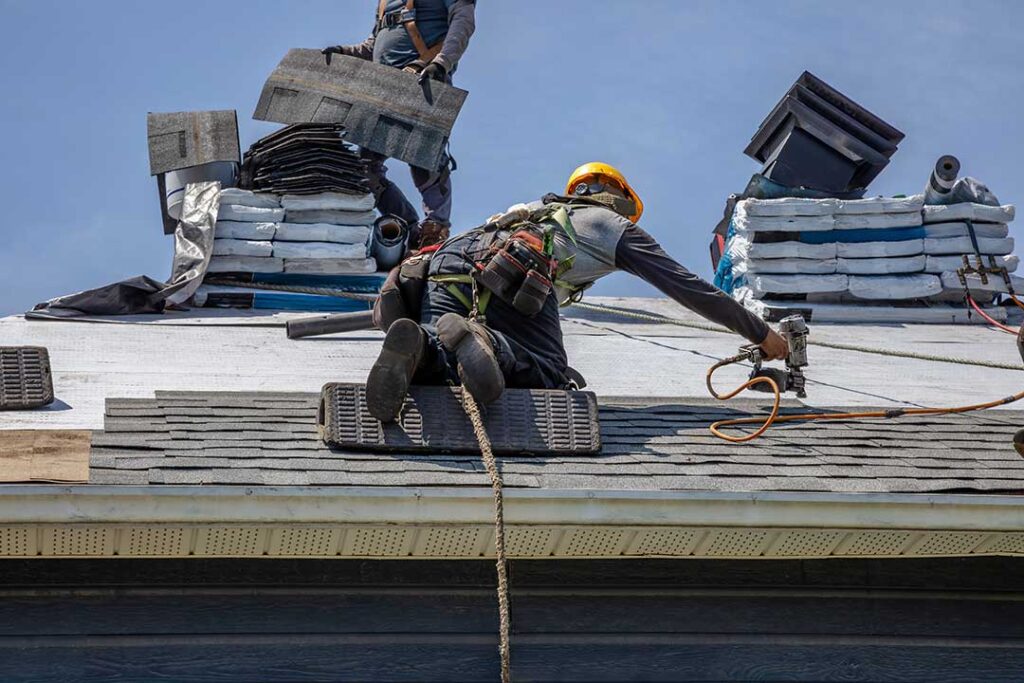
A roof leak rarely remains limited to the roof covering. Water can travel along shingles, underlayment, roof decking, rafters, insulation, and wall cavities before it becomes visible inside the home. By the time a ceiling stain appears, structural materials may already have been exposed to moisture for days, weeks, or longer.
For households in Corinth, NY, seasonal weather can increase the risk. Snow, ice, wind-driven rain, freeze-thaw cycles, and heavy summer storms can all expose weak areas in a roofing system. Understanding how water moves through a home makes it easier to recognize problems before they become more extensive.
What parts of a house can a leaking roof damage?
A roof leak can affect the roof deck, framing, insulation, ceilings, walls, electrical components, and finishes. The level of damage depends on how much water enters, where it travels, and how long the materials remain damp.
The roof deck is often the first structural layer affected beneath the exterior covering. Usually made from plywood or oriented strand board, the deck supports the roofing materials and transfers loads to the rafters or trusses. Repeated wetting can cause it to swell, soften, delaminate, or lose fastening strength.
Water may then reach:
- Rafters, trusses, and ceiling joists
- Attic insulation
- Interior drywall and plaster
- Wall framing and top plates
- Electrical wiring and light fixtures
- Paint, trim, flooring, and cabinets
A small ceiling mark does not necessarily indicate a small leak. Water can move sideways across the underside of the roof deck or along framing before dripping into a room.
How does moisture weaken roof framing?
Wood framing can tolerate occasional moisture when it dries thoroughly. Persistent dampness is different. If rafters, trusses, or roof decking stay wet, the wood may begin to swell, warp, decay, or lose strength.
Signs of possible framing damage include:
- Sagging roof lines or ceiling surfaces
- Soft or crumbly roof decking in the attic
- Dark staining that continues to expand
- Musty odors near the attic or upper floors
- Cracked drywall around ceilings or upper walls
- Doors or windows that begin sticking after a leak
Not every crack or sag is caused by a roof leak. Structural movement, aging materials, poor ventilation, or excessive loads can also contribute. However, a change that appears after water intrusion deserves attention because wet wood may deteriorate gradually rather than fail immediately.
Structural damage is especially concerning where roof framing supports snow loads. A weakened member may remain in place during ordinary weather but perform poorly under the added weight of snow or accumulated ice.
Can a roof leak damage walls and ceilings?
Yes. Water entering near a roof edge, valley, chimney, vent, or flashing detail can travel into wall cavities and ceiling assemblies. The visible stain may appear several feet away from the actual entry point.
Ceiling damage often begins as:
- Yellow, brown, or gray discoloration
- Bubbling or peeling paint
- Sagging drywall
- Damp insulation above the room
- A soft area that changes size after rain or thawing
Wall damage may be less obvious. Moisture can move behind drywall, especially near exterior walls, and affect wood framing or insulation. Over time, this can produce swollen trim, peeling paint, musty smells, or recurring stains that return after each storm.
A ceiling stain that dries does not prove that the problem has been resolved. The roof may simply be dry between weather events, while moisture remains trapped in the building materials.
Why are attic spaces important after a leak?
The attic is often the first place where a leak can be investigated safely and accurately, but it should be entered cautiously. Looking from the access opening with a flashlight may reveal wet insulation, stained decking, or daylight around penetrations without requiring anyone to walk across the ceiling below.
The attic can show:
- Water marks on the underside of the roof deck
- Damp or compressed insulation
- Rust around fasteners
- Mold-like surface growth
- Wet framing near vents, valleys, or roof edges
- Trails showing that water has moved from another location
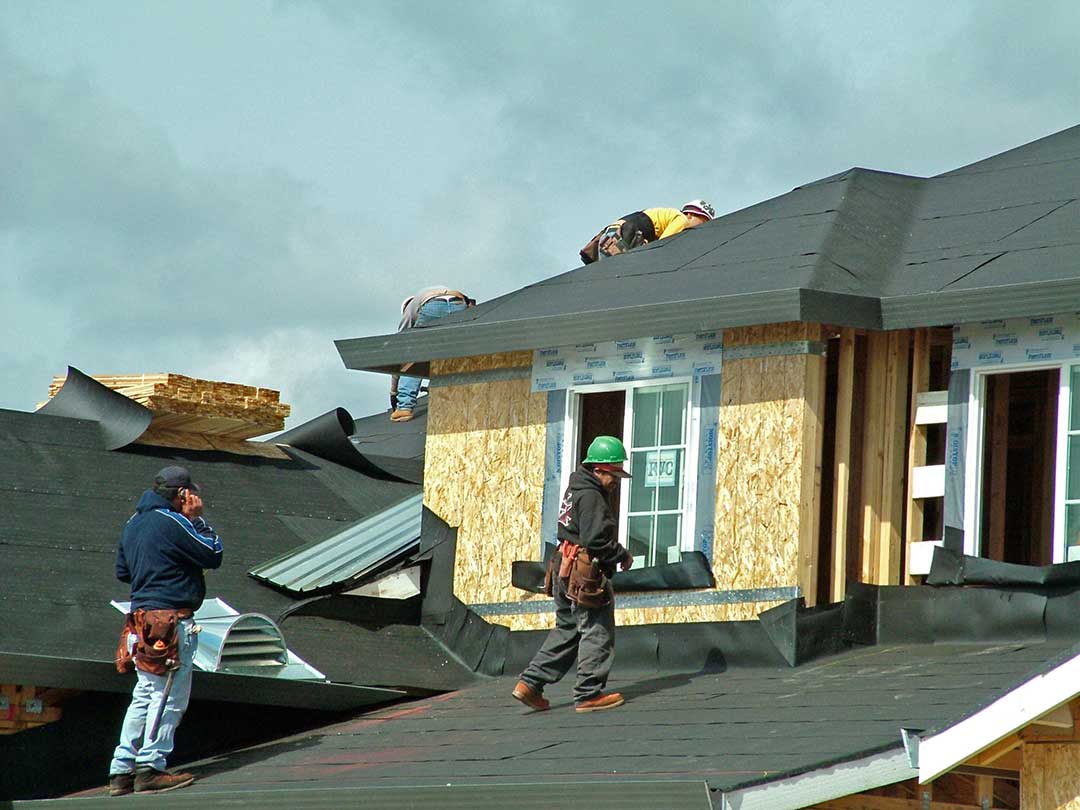
Moisture in an attic can come from two different sources: a roof leak or indoor air escaping into the attic through air leaks and condensing on cold surfaces. Bathroom exhaust that terminates in an attic, inadequate ventilation, and humid indoor air can create moisture problems that resemble roof leakage.
Because the causes can overlap, the location and pattern of staining matter. Wetness that appears only during rain or melting snow points more strongly toward exterior water entry, while widespread frost, condensation, or dampness during cold weather may indicate a ventilation or air-sealing issue.
What happens if insulation becomes wet?
Wet insulation loses effectiveness and may hold moisture against wood and drywall. Fiberglass insulation can become compressed or contaminated, while some forms of loose-fill insulation may settle and leave portions of the ceiling less protected.
The larger concern is not only reduced energy performance. Damp insulation can slow drying and create a favorable environment for mold growth on nearby wood, paper-faced drywall, or dust-covered surfaces.
Insulation should not be disturbed unnecessarily, particularly if the source of moisture is unknown or if electrical wiring is nearby. A wet area may require removal and replacement, but the roof or ventilation problem must also be addressed or the damage will return.
Can a roof leak create mold or poor indoor air quality?
It can. Mold growth requires moisture, a food source, and suitable conditions. Building materials such as wood, drywall paper, and insulation facing can provide those materials when dampness persists.
Mold may appear as dark, greenish, gray, or fuzzy growth, but color alone cannot identify a specific type. A musty smell may be noticeable before visible growth develops. Moisture can also aggravate odors and contribute to indoor air quality concerns, especially in closed attic spaces or rooms with limited ventilation.
Small, isolated surface areas may be manageable with appropriate cleaning and drying, but extensive growth, soaked insulation, concealed wall moisture, or repeated exposure requires more careful evaluation. The priority is stopping the water source and drying the assembly, not simply covering the stain with paint.
Are winter conditions especially hard on leaking roofs?
Winter and early spring can make roof leaks harder to detect and more damaging. Snow may cover the entry point, while ice can block drainage paths and force water beneath roofing materials. Freeze-thaw cycles can enlarge small openings around flashing, fasteners, or aged sealants.
During a thaw, melting snow may enter areas that were not leaking during ordinary rain. Water can then refreeze inside a roof edge or wall cavity as temperatures fall again.
After heavy snow, residents may notice:
- Dripping during a warm spell
- Ceiling stains near exterior walls
- Icicles or uneven snow patterns along the roof edge
- New dampness in attic insulation
- Cracking or sagging near the roofline
Snow and ice should not be removed from a roof by untrained individuals. Roof surfaces are slippery, and improvised tools can damage shingles or create a fall hazard.
What should residents do when a leak is discovered?
The first priority is safety and limiting additional interior damage. Place containers under active drips, move furniture and electronics away from the affected area, and avoid touching wet electrical fixtures or switches.
If the ceiling is bulging, keep people away from the area. A water-filled section of drywall can become heavy and may fall. Do not puncture it unless the action is being directed by someone qualified to assess the risk and identify electrical hazards.
Document the timing and location of the leak, including whether it appeared during rain, wind, snowmelt, or a freeze-thaw period. Photographs of stains, damp materials, and attic conditions can help distinguish a single event from a recurring problem.
The roof covering is only one part of the investigation. A lasting repair may require checking the roof deck, flashing, attic ventilation, insulation, framing, drywall, and any hidden areas where water may have traveled. Prompt attention reduces the chance that a localized leak becomes a broader structural moisture problem.
